

Exploring Třeboň's Fishpond Area
Discover peaceful walking routes around historic fishponds with rest spots and scenic overlooks perfect for leisurely strolls.
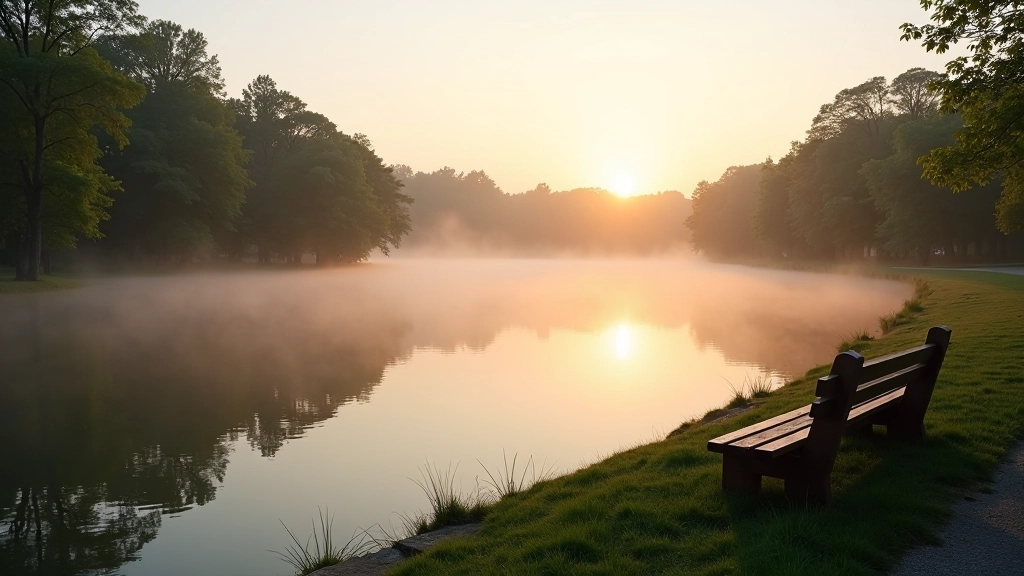

A Haven for Peaceful Walks
Třeboň's fishpond area isn't like typical nature reserves. It's intimate, well-maintained, and genuinely peaceful. We're talking about a landscape that's been shaped by centuries of careful pond management — the kind of place where you can walk for hours and encounter mostly swans, herons, and the occasional cyclist.
The region sits in South Bohemia and covers about 20,000 hectares of interconnected ponds. But don't let that size intimidate you. The walking paths are clearly marked, distances are reasonable, and there's always somewhere to rest nearby. Most visitors discover that the best time for walking is spring through early autumn, when the weather's mild and the wildlife's active.
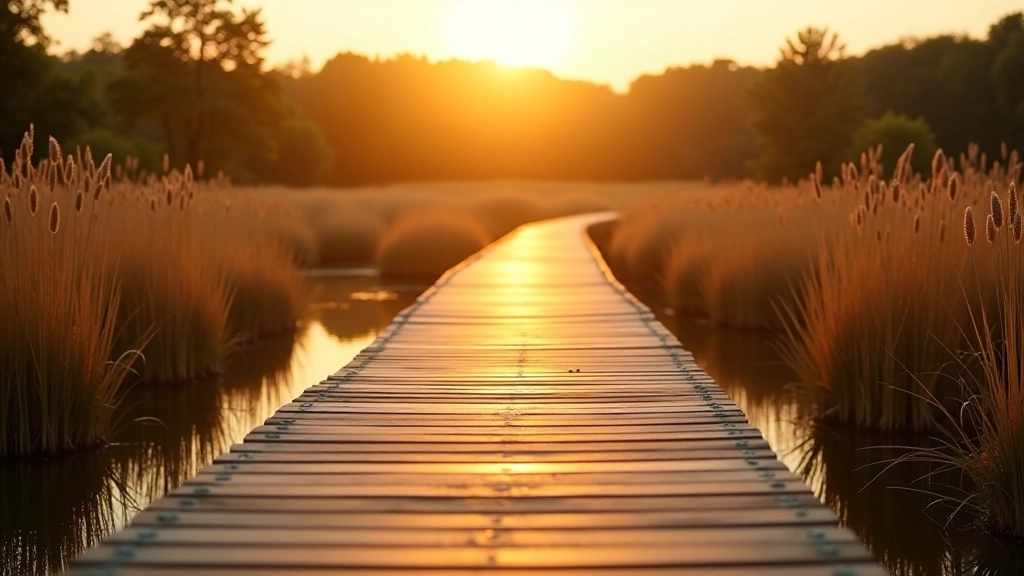
Main Walking Routes
There's no single "best" route — it really depends on your energy level and how much time you've got. Most people don't realize they can pick different sections rather than committing to one long walk.
The Scenic Loop
About 6 kilometers, takes roughly 90 minutes at a relaxed pace. This route circles Svět Pond and passes through mixed forest. You'll see plenty of water views and the path's relatively flat. There's a café at the halfway point if you need a break.
The Quiet Trail
Shorter at 3 kilometers, this route takes about 45 minutes. It's more forested and less crowded than the main loop. You'll walk past the old monastery grounds and get good bird-watching opportunities. The ground's firmer here, which some people prefer.
The Town Connection
This 4-kilometer path connects the historic town center directly to the pond area. It's how many locals start their walks. You'll pass through some older residential areas before hitting the water, and it gives you good context for the region's history.
Rest Spots & Facilities
What makes Třeboň genuinely accessible is the thoughtful placement of rest areas. You're never more than 15-20 minutes' walk from somewhere to sit down. This matters more than people realize.
Benches & Shelters
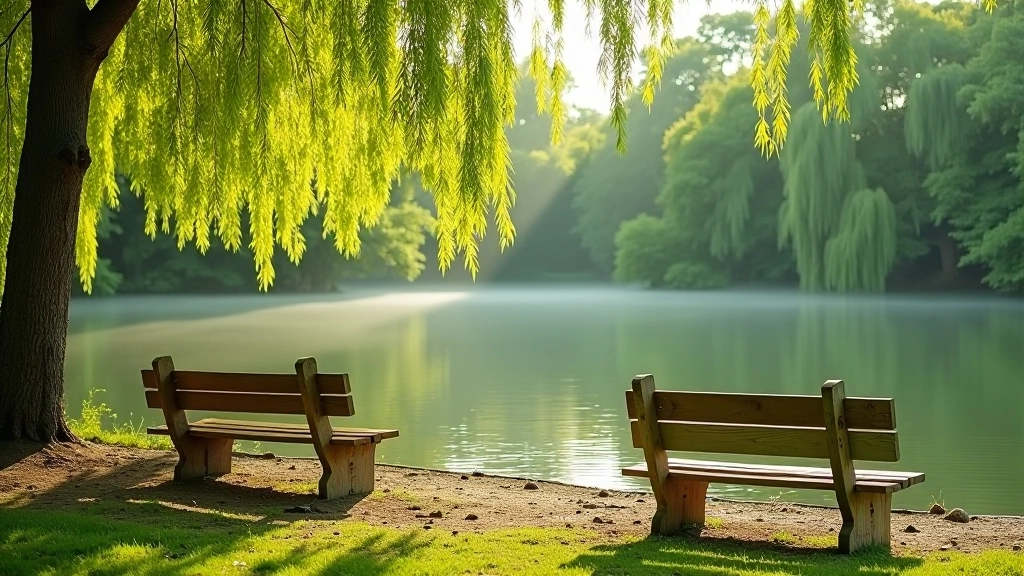
Over 30 wooden benches are positioned at scenic viewpoints. About half have small shelters — useful when weather turns unexpectedly. Most face the water, so you get views while you rest rather than looking at trees.
Refreshment Points
Three small cafés are situated along the main routes. They serve coffee, light snacks, and cold drinks. Hours vary seasonally, but they're generally open 10am-5pm during peak season. Don't expect restaurant-style service — it's more grab-and-go, which is fine for a quick break.
Accessibility
Much of the terrain is accessible with a walker or cane. The main loops have firm, compacted surfaces. Rougher sections are clearly marked so you can avoid them if needed. Wheelchair access exists on about 40% of the main trail network.

What You'll Actually See
Most people come for the walking and stay for the wildlife. The ponds support a genuinely diverse ecosystem, and you don't need binoculars or special knowledge to appreciate it.
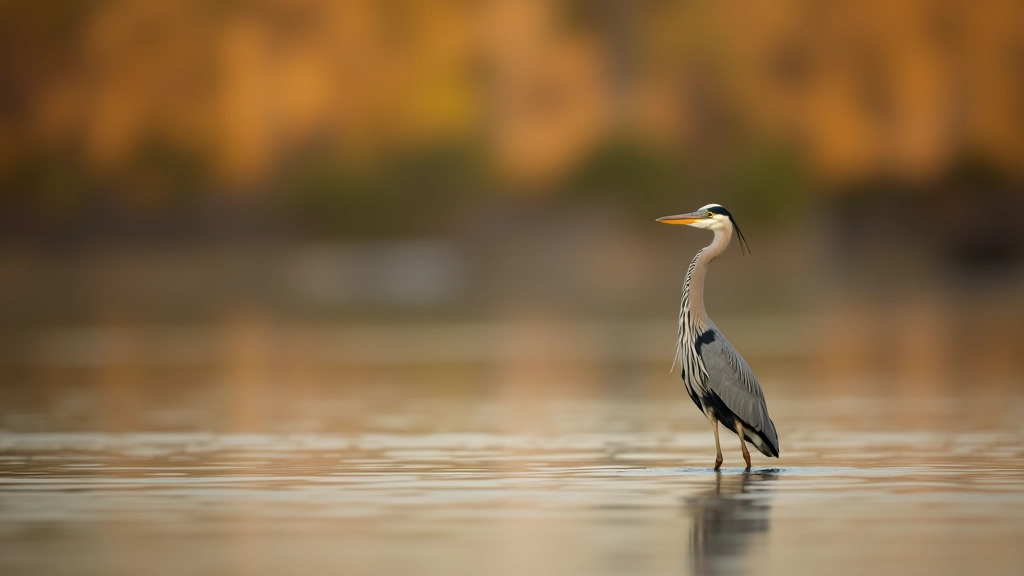
In spring and early summer, you'll see nesting birds everywhere — herons, grebes, cormorants, and dozens of duck species. The wading birds are particularly impressive. You'll spot them standing in the shallows for hours, completely unbothered by walkers. Swans are common year-round. They're used to people, so they'll often approach if you stay still.
Summer brings dragonflies and damselflies in extraordinary numbers. The banks are alive with them — blues, reds, greens. If you're patient and sit quietly for even 5 minutes, you'll see activity that most people miss entirely because they're walking straight through.
A tip: early morning walks (before 8am) are when the water's calmest and wildlife most visible. You'll see more in 45 minutes at dawn than in 3 hours at midday when it's hot and everything's hiding.
Best Times to Visit
April to May (Spring)
Everything's in bloom. Temperatures are mild — usually 15-18°C (60-65°F). Nesting birds are most active. The paths can be muddy if it rains, so waterproof boots matter. Tourist crowds haven't arrived yet, so you've got the place mostly to yourself.
June to August (Summer)
Warmest period, 20-25°C (68-77°F), sometimes hotter. Peak tourist season means more people on the paths. Water levels are stable. Wildlife is less active midday because of heat. Early morning or late afternoon walks are better. Bring sun protection — there's not much shade on open sections.
September to October (Autumn)
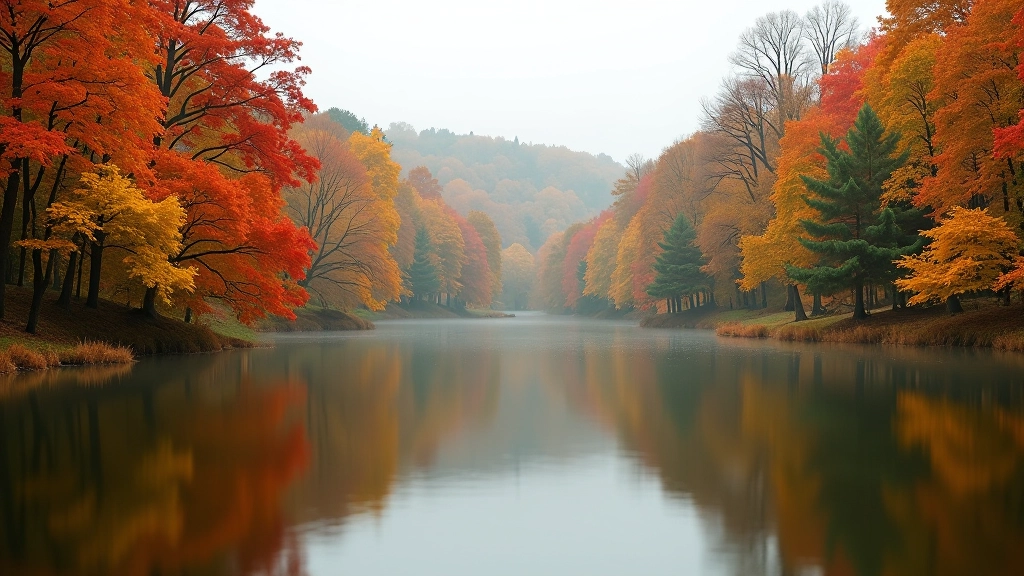
This might be the best season overall. 12-18°C (54-65°F), comfortable for walking. Colors are extraordinary. Autumn migration brings different bird species. Crowds thin out after early September. Paths are drier than spring. The light quality is superb for photographs if you're interested in that.
November to March (Winter)
Coldest period, often below freezing. Some ponds freeze partially. Walking's still possible but requires more preparation — warm layers, careful footing on icy sections. Fewer people visit. It's peaceful but challenging. Spring and autumn are more accessible for most people.
Practical Information
Getting There
Třeboň is 140 kilometers south of Prague. By train, you're looking at about 2.5 hours from the capital. The town itself is walkable — the pond area starts just beyond the historic center. Most people park near the town and walk from there rather than driving around the pond area itself. There's adequate parking near the main trailheads.
Maps & Navigation
The paths are well-marked with colored blazes and signposts. You don't strictly need a map if you stick to main routes, but having one reduces anxiety. The Třeboň tourist office sells detailed maps for a few euros. Google Maps works reasonably well in the area, though it's not always precise about which specific trails are pedestrian-only versus shared with cyclists.
What to Bring
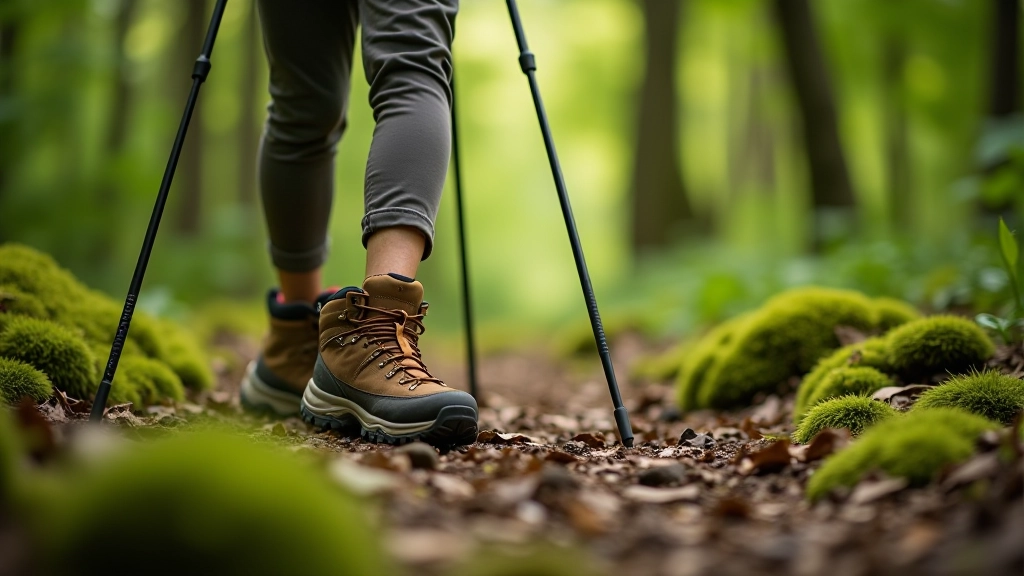
Water — the most important thing. Bring at least one liter. Walking poles if you prefer them. A hat or cap for sun protection. Insect repellent in summer months. Comfortable, well-fitted walking shoes that you've already broken in. Don't try new shoes on your first walk here. A light jacket even in summer — weather can shift quickly near water.
Rules & Considerations
Stay on marked paths to protect the wetland ecosystem. Dogs are allowed but must be on leash in protected areas. Don't feed the birds — it changes their behavior and diet. Bicycles share many paths, so be aware of your surroundings. The area is protected, so picking plants or collecting anything isn't permitted. It's all quite sensible stuff.
About This Guide
This article is informational in nature, based on current conditions and common visitor experiences. Individual circumstances vary widely — your fitness level, health conditions, and personal preferences will shape your actual experience. The routes, facilities, and amenities described here were accurate at the time of writing, but conditions change seasonally and with maintenance work. Always check current conditions with local tourism information before planning your visit. If you have health concerns related to walking or outdoor activity, consult with your healthcare provider before undertaking extended walks. The information here doesn't replace personal judgment or professional advice specific to your situation.
Why Třeboň Works
What makes this place genuinely different isn't complicated. The paths are well-maintained but not overdeveloped. The scenery's authentic — you're walking through an actual working landscape that's been managed sustainably for centuries, not a manicured park. The distances are flexible so you can walk as much or as little as you want on any given day. And the whole setup respects the reality that you're going at your own pace.
You're not racing to a summit. You're not checking off achievements. You're just walking through water and forests, watching birds, sitting on benches when you need to, and enjoying the fact that the landscape hasn't changed dramatically in a hundred years. That consistency is rare and genuinely valuable.
Ready to explore more about nature walks and outdoor activities?
Read Our Getting Started Guide