
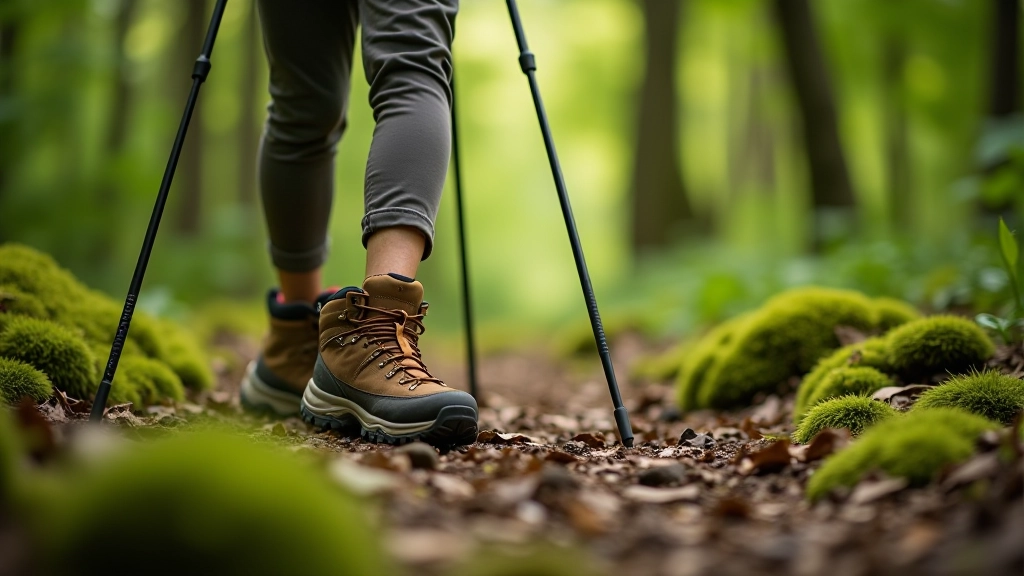
Getting Started with Nature Walks
Essential tips for beginning outdoor walks at your own pace. We cover footwear, timing, and how to build distance gradually without strain.

Why Walking Matters
Walking's one of the best things you can do for your health. It's low-impact, doesn't require special equipment, and you can do it almost anywhere. Whether you're exploring the peaceful fishponds of Třeboň or taking a quiet stroll through your local park, regular walks improve your cardiovascular health, strengthen your muscles, and boost your mood.
The key to success isn't speed or distance. It's consistency and listening to your body. We've worked with hundreds of seniors who've built walking routines that fit their lives. Most people see real benefits within 3-4 weeks — better sleep, more energy, and improved flexibility. But you've got to start smart.

Start with the Right Footwear
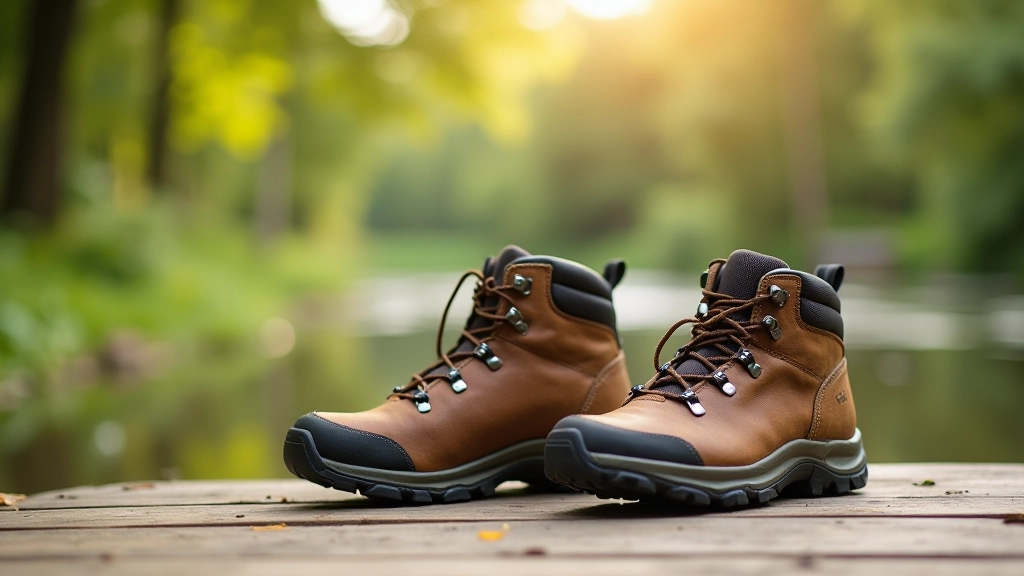
Your shoes make all the difference. Don't use old sneakers or dress shoes — they'll hurt your feet and knees after 20-30 minutes. Invest in actual walking shoes or lightweight hiking boots. Look for these features:
- Cushioned insoles (not flat soles)
- Ankle support without being too tight
- Good grip on the sole (important for wet paths)
- Breathable material — your feet will get warm
Pro tip: Break them in at home first. Wear them for an hour or two while you're cooking or reading. The last thing you want is blisters on your first real walk. Most quality walking shoes cost between 80-120 euros and'll last you 2-3 years if you take care of them.
Build Distance Gradually
Here's what works: Start with 15-20 minutes of walking, three times per week. That's it. Don't try to do 45 minutes on day one. Your body needs time to adapt. After two weeks, bump it up to 25-30 minutes. Then add another session per week if you're feeling good.
The standard progression looks like this:
Weeks 1-2
15-20 minutes, 3 days per week
Weeks 3-4
25-30 minutes, 3-4 days per week
Weeks 5-8
30-45 minutes, 4-5 days per week
Week 8+
45-60 minutes, 5-6 days per week
And yes, you can skip days. You don't have to walk on a schedule. If you're tired, rest. If the weather's awful, stay home. The goal is building a habit that sticks, not proving something to yourself.

Choose Your Best Time of Day
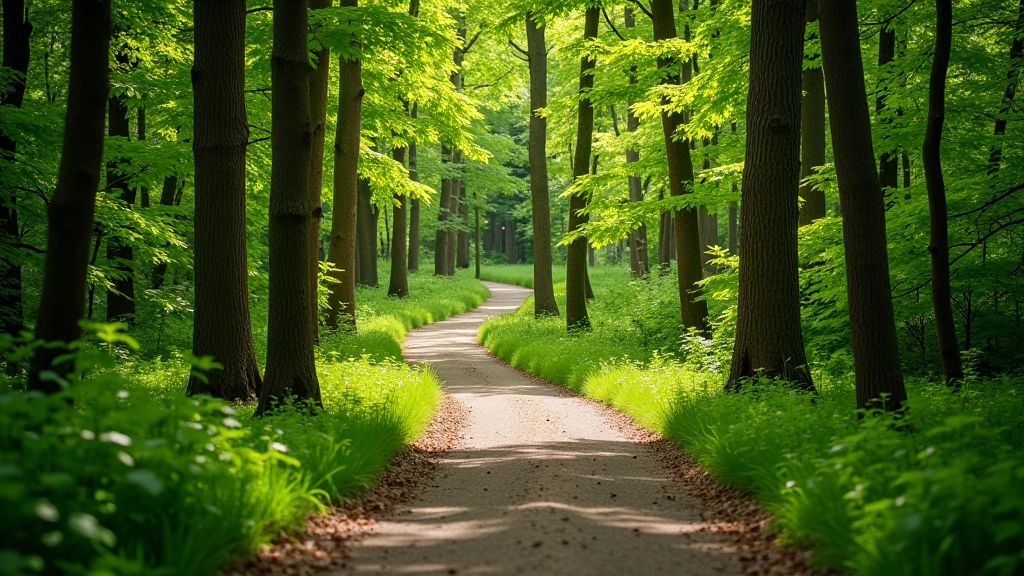
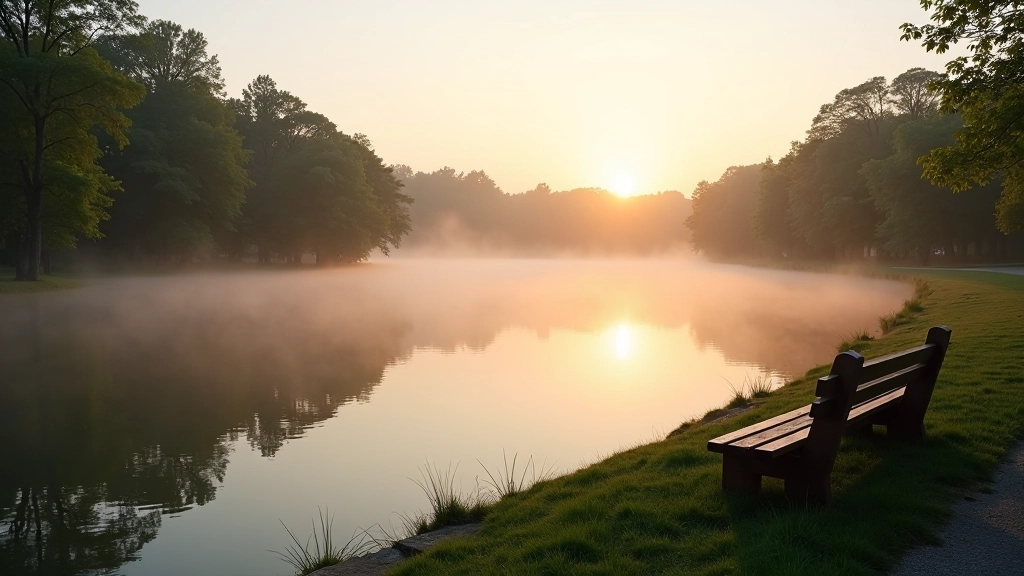
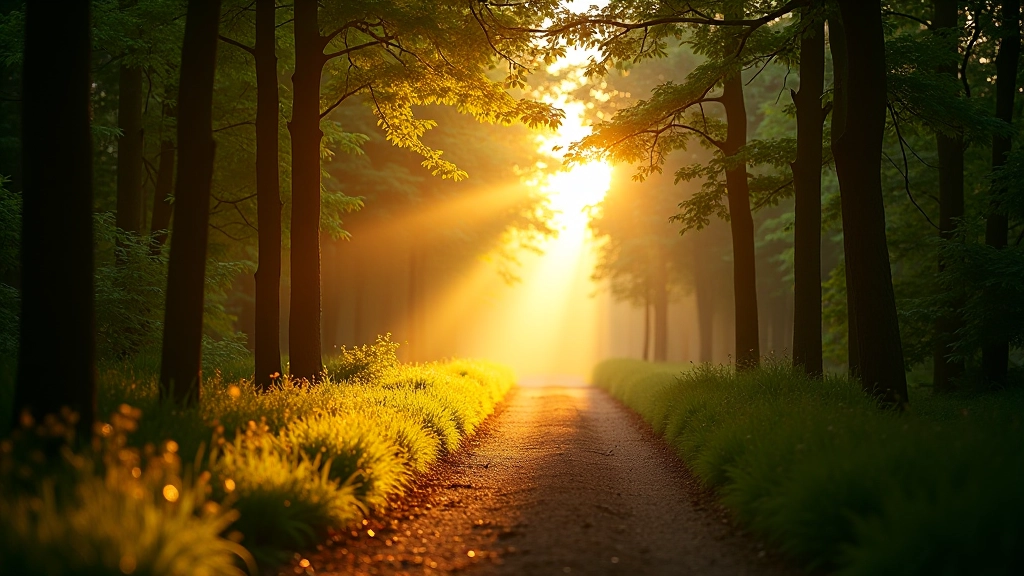
When you walk matters. Early morning's usually best — fewer people, cooler temperatures, and you'll feel energized for the rest of your day. If you're not a morning person, that's fine. Afternoon walks work too, though the heat can be intense in summer.
Avoid midday heat in summer (11am-3pm). Your body works harder in heat, and you'll tire faster. If you're in Třeboň, the fishpond areas stay cooler because of the water, but don't count on it. Bring water either way — at least 500ml per 30 minutes of walking.
Winter's actually great for walking. Cold air is easier on your lungs, and there are fewer insects. Just dress in layers. Remove one layer if you get warm. And watch for ice on paths — your new walking shoes need good grip.
Please Note
This article is for educational purposes. If you have existing health conditions, joint problems, or haven't exercised in a while, consult your doctor before starting a new walking routine. Listen to your body — if something hurts (not just feels uncomfortable), stop and rest. Walking should feel good, not painful.
You're Ready to Start
Getting started with nature walks isn't complicated. Good shoes, realistic distances, and consistency — that's the foundation. You don't need fancy equipment or special programs. You just need to step outside and walk at a pace that feels comfortable.
Most people who stick with walking for 4-6 weeks find they actually look forward to it. They sleep better. They have more energy. And they discover beautiful places they'd never noticed before. That could be you.
Pick a time, put on your walking shoes, and go. Start with 15 minutes. That's enough. Everything else builds from there.