

Choosing the Right Gear for Comfort
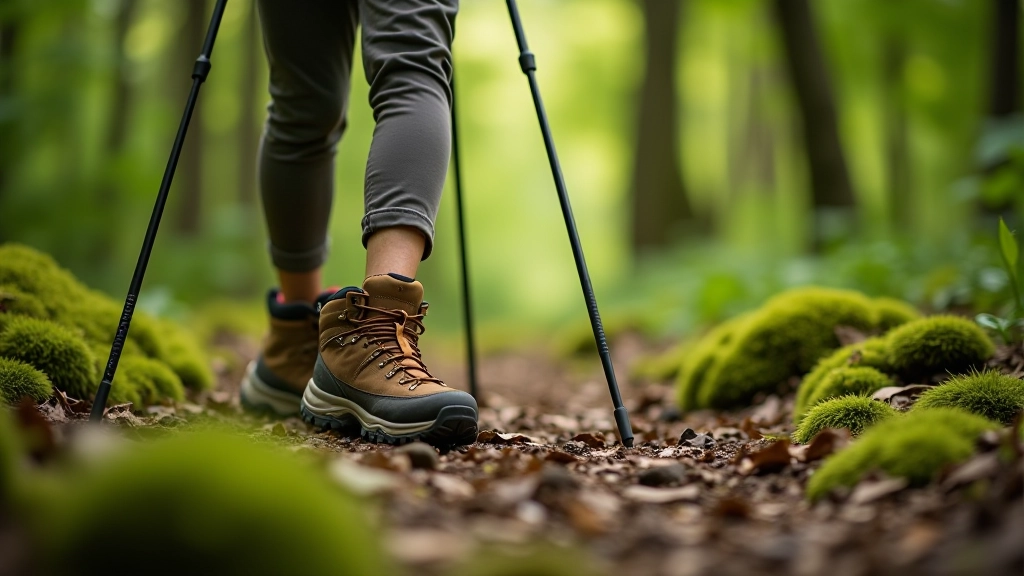
Walking poles, proper footwear, and clothing layers make a huge difference. This guide breaks down what actually matters and what's unnecessary.

Why Gear Matters More Than You'd Think
Here's the thing — you don't need expensive equipment to enjoy a good walk. But you do need the right stuff. A blister from poorly fitted shoes can ruin an entire day. Cold, wet feet aren't just uncomfortable, they're actually dangerous. And carrying the wrong weight distribution? That's how people develop knee pain after what should've been a pleasant afternoon in nature.
We're not talking about technical hiking gear or anything fancy. What we mean is practical choices that make walking genuinely enjoyable. The right shoes, proper poles, sensible clothing — these things genuinely transform your experience. They're the difference between coming home refreshed versus coming home exhausted and sore.

Footwear: The Foundation of Everything
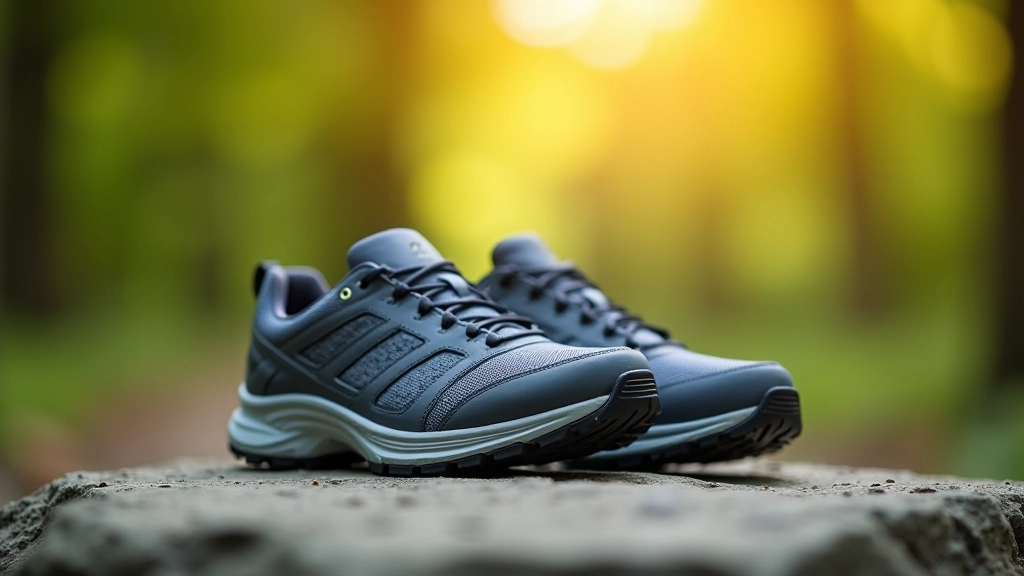
You'll spend the entire walk on your feet, so this is where you should actually invest. Walking shoes aren't just about cushioning — though that matters. They're about support, stability, and fit that doesn't change as your feet swell throughout the day.
What you're looking for: proper arch support, a wider toe box than regular sneakers, and a sole that grips well on different terrain. Moisture-wicking socks matter too. Cotton holds sweat and creates friction. Merino wool or synthetic blends keep your feet dry and prevent blisters. And honestly, don't buy shoes right when you wake up — your feet are smallest in the morning. Shop in the afternoon when they're slightly swollen, which is closer to how they'll feel during a 90-minute walk.
Arch Support
Reduces strain on feet and knees during longer walks
Grip & Traction
Essential for safety on wet or uneven forest paths
Break-In Period
Start with shorter walks to let shoes adapt to your feet
Walking Poles: Your Secret Advantage
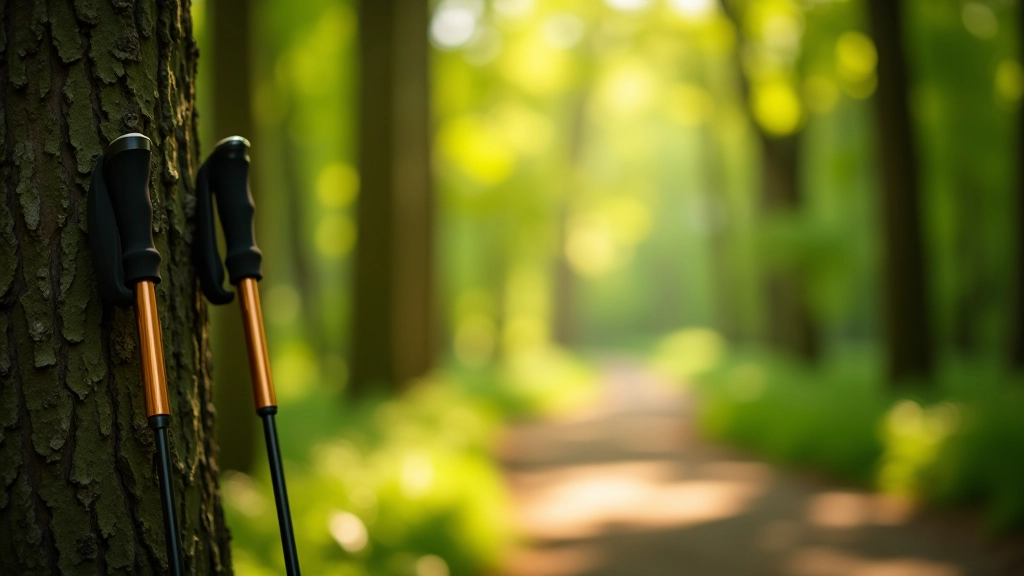
Most people think poles are just for mountaineers. That's wrong. Poles distribute your weight more evenly, reducing impact on knees and hips by about 25% according to studies on walking biomechanics. For seniors, this is genuinely significant. It means you can walk longer distances with less fatigue and less joint strain.
You don't need fancy poles. Aluminum ones work fine and cost maybe 300-500 Czech crowns. What matters is correct height — poles should reach roughly to your wrist when your arms hang at your sides. Too long and you're working harder than necessary. Too short and you lose the benefits. Adjustable poles are practical since you can modify them for different terrain.
The technique is simple. You're not pushing yourself forward with the poles. Instead, you're using them to stabilize and share the load. Plant them naturally as you walk — they should feel like an extension of your arms, not something you're fighting against. Most people get comfortable with poles within 2-3 walks.


Layers: The Smart Approach to Temperature
Weather changes. Your body temperature changes. So you need a system that adapts. Layers aren't complicated — it's just the principle that multiple thin layers work better than one thick layer.
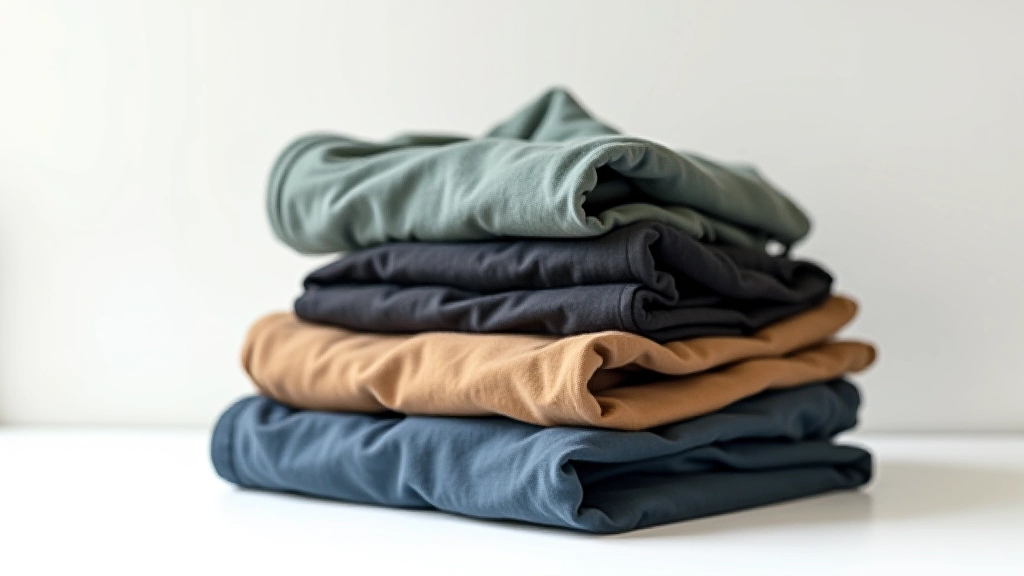
Start with a moisture-wicking base layer (synthetic or merino wool). Add a mid-layer for insulation (fleece works great). Top it with a light windproof shell. That's it. You can remove layers as you warm up during walking, and you've got something to put back on when you rest or if the weather shifts. Don't wear cotton directly against your skin — it absorbs sweat and doesn't dry quickly.
A hat matters too, especially in spring and autumn. You lose significant body heat through your head, and keeping your head warm actually helps regulate your whole body temperature. Nothing fancy — a simple baseball cap or beanie works perfectly.
Important Note
This guide provides informational recommendations based on common practice for seniors enjoying nature walks. Every person has different physical needs and limitations. If you have existing joint problems, cardiovascular concerns, or mobility issues, consult with your doctor or physical therapist before starting a new walking routine. The suggestions here aren't medical advice — they're practical considerations that many people find helpful. Your comfort and safety come first.
Start Simple, Adjust As You Go
You don't need to buy everything at once. Get good shoes and decent socks — that's your starting point. Try a few walks. See what feels right. Then add poles if you want extra joint support. Invest in proper layers as seasons change. The best gear is what you'll actually use comfortably, not the most expensive option or what someone else recommended.
Most importantly, don't let gear paralysis stop you from walking. A comfortable pair of shoes and appropriate weather-based clothing are genuinely enough to start. Everything else is refinement. You'll figure out what works for your body, your climate, and your preferred routes. That's how real comfort develops — through experience, not through shopping.