

gotoima Logo Gotoima Contact Us
Contact Us

Building Rest Stops Into Your Routine

Why pacing yourself with breaks matters more than distance. Learn how to structure walks that feel enjoyable rather than challenging.

5 min read Beginner May 2026
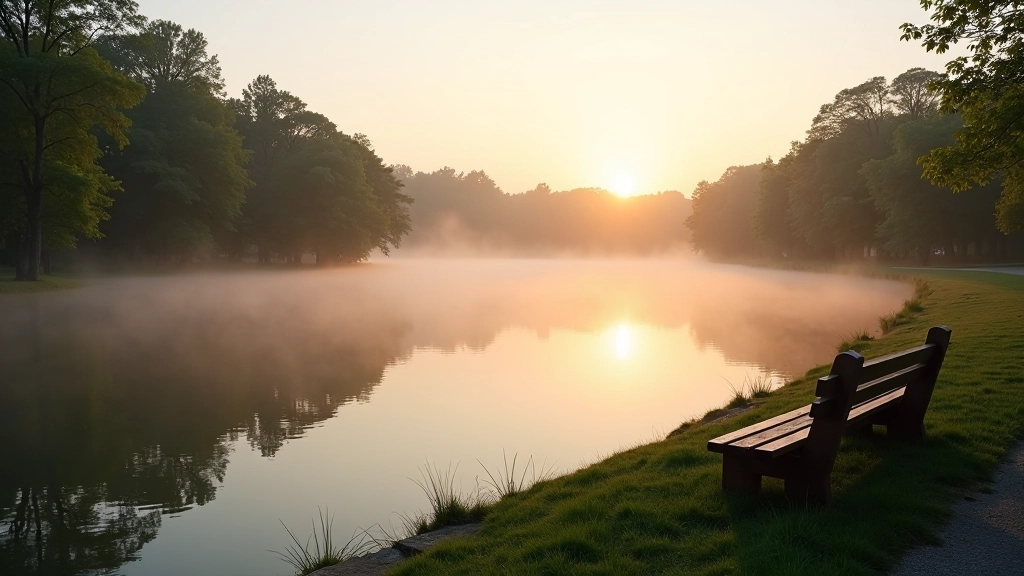
Senior adult sitting on park bench overlooking spa grounds with healthy posture and peaceful demeanor
Jiří Novotný

Author

Jiří Novotný

Senior Wellness & Nature Travel Specialist

Wellness tourism specialist with 16 years of experience guiding seniors through Central European nature reserves and spa destinations.

The Power of Strategic Pausing

Most people think walking is about covering distance. You leave your house, you walk for 45 minutes, you come back. Simple math. But that's not how bodies actually work — especially when you're in your sixties, seventies, or beyond.

Rest stops aren't a sign you're not fit enough. They're the opposite. They're how you stay in the game. When you build breaks into your walking routine, you're not shortening your ability — you're extending it. You're training your body to go longer distances over time because you're not burning out on a single outing.

Think of it like this: a 90-minute walk with three 10-minute rest stops isn't really 90 minutes of walking. It's about 60 minutes of actual movement, spread across 90 minutes total. But you'll feel better, enjoy more scenery, and you won't need three days to recover.

Senior woman sitting on wooden bench in park with trees and pathways visible in background, peaceful expression, morning light
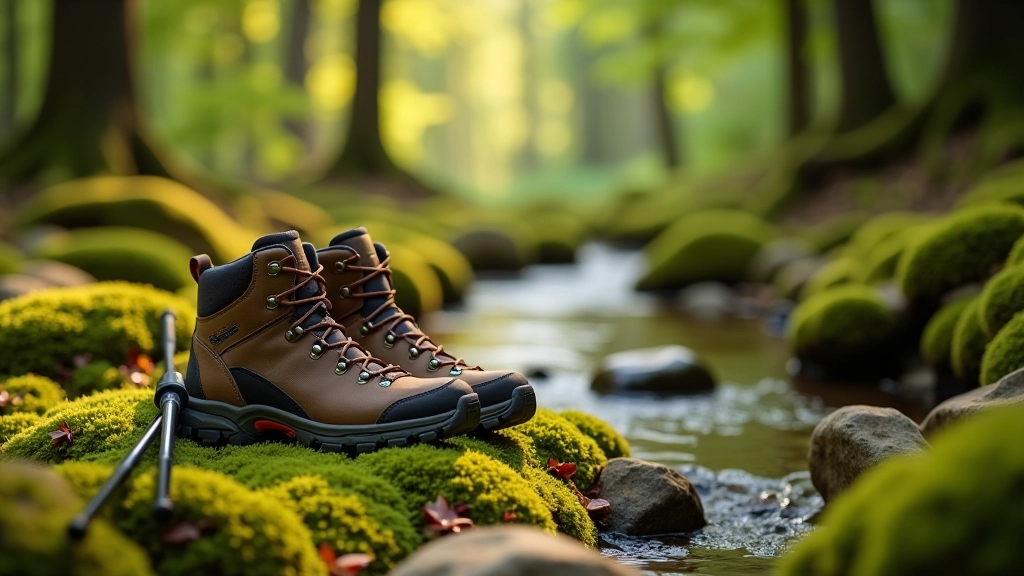
Comfortable hiking boots and walking poles resting on moss-covered ground near forest stream, close-up detail, natural lighting

Finding Your Rest Stop Rhythm

The best rest stop pattern depends on three things: your current fitness level, the terrain you're walking, and honestly, how you're feeling that day. There's no magic number. But there are patterns that work.

For someone just starting out, try a 15-minute walk, 5-minute rest cycle. That's one loop. You can do 3-4 loops depending on your schedule. Once that feels comfortable — and this takes maybe 3-4 weeks of regular walking — you'll naturally extend it to 20 minutes walking, 5-7 minutes sitting.

The Třeboň fishpond area is perfect for this approach. There's a bench every 10-15 minutes of walking. You're not forcing yourself to power through to some distant destination. You walk until you feel like sitting, you sit, you get up when you're ready.

Making Rest Stops Actually Restorative

A rest stop isn't just sitting down. You can sit down anywhere. A good rest stop means you're actually recovering — mentally and physically.

Pick Places You Want to Be

Don't just stop at the first bench you see. Walk 5 more minutes to the bench overlooking the water. Or the one in the shade under the old oak trees. The view matters. You're more likely to actually sit for your full 5-10 minutes if you're somewhere worth being.

Bring Water, Not Just Willpower

Dehydration sneaks up on you. A small water bottle — even just 500ml — makes rest stops actually restorative instead of just catching your breath. You'll recover faster and feel less stiff when you get moving again.

Use the Time for More Than Resting

Bring a small notebook or just look around. Notice the birds. Check what flowers are in bloom. This isn't wasted time — it's the whole point of being outside. Your walk becomes an experience, not a workout you're trying to complete.

Plan Your Route Around Sitting Spots

Before you go out, know where the benches are. The walking routes around the spa park and fishpond are marked well. Don't wing it. A walk that's planned around good rest spots feels completely different than one where you're hoping to find somewhere to sit.

Listen to Your Body, Not Your Pride

You don't need to sit because you're tired. You sit because it's part of your walking routine. Some days you'll sit more, some days less. That's normal. There's zero shame in taking a 10-minute break after 20 minutes of walking. That's smart planning, not weakness.

Think About Weather and Timing

A shaded rest stop matters more in July than it does in May. If you're walking in the afternoon, scout benches that'll have shade when you need it. Morning walks might start in sun and end in shade — plan accordingly so your rest stops are actually comfortable.

Important Information

This article is educational and informational in nature. It's not medical advice. Everyone's body is different — what works for one person might not work for another. If you're starting a new walking routine and you've got existing health concerns, it's worth checking in with your doctor first. They know your medical history better than anyone. The rest stop strategies here are based on common practice and feedback from people who walk regularly. Your own experience will teach you what works best for you.

Building a Walking Habit That Lasts

Rest stops aren't a compromise. They're the foundation of a walking routine you'll actually stick with. You're not training for a race. You're building something sustainable that you can do year after year, in different seasons, in different places.

Start small. Pick a route you like. Find three good benches. Walk until you feel like sitting. Sit for as long as you want. Get up when you're ready. That's it. That's the whole system. After a few weeks of doing this, you'll notice something: you're walking more than you used to, you're enjoying it more, and you're not dreading the next day because you overdid it.

The Třeboň area is ideal for this approach. The park was designed with people in mind. There's always somewhere to sit. The scenery is genuinely beautiful — worth sitting still for. You're not forcing yourself through some difficult training. You're just spending time outside, moving at your own pace, and taking breaks whenever you feel like it.

That's how you build a habit. Not through willpower. Through making it something you want to do.